Osteoarthritis Physiotherapy in Lahore
Patient Guide · Osteoarthritis Physiotherapy Lahore
Osteoarthritis Physiotherapy in Lahore
Osteoarthritis physiotherapy in Lahore focuses on helping you stay active with stiff, sore joints — through exercise, hands-on care and practical advice. At Dr. Haseebullah — Advanced Spine Care & Stroke Rehabilitation Center in Johar Town, care starts with an assessment of the affected joints, your strength and the activities that matter to you. This guide explains what osteoarthritis is, how physiotherapy can help, and what you can do day to day.
What is osteoarthritis?
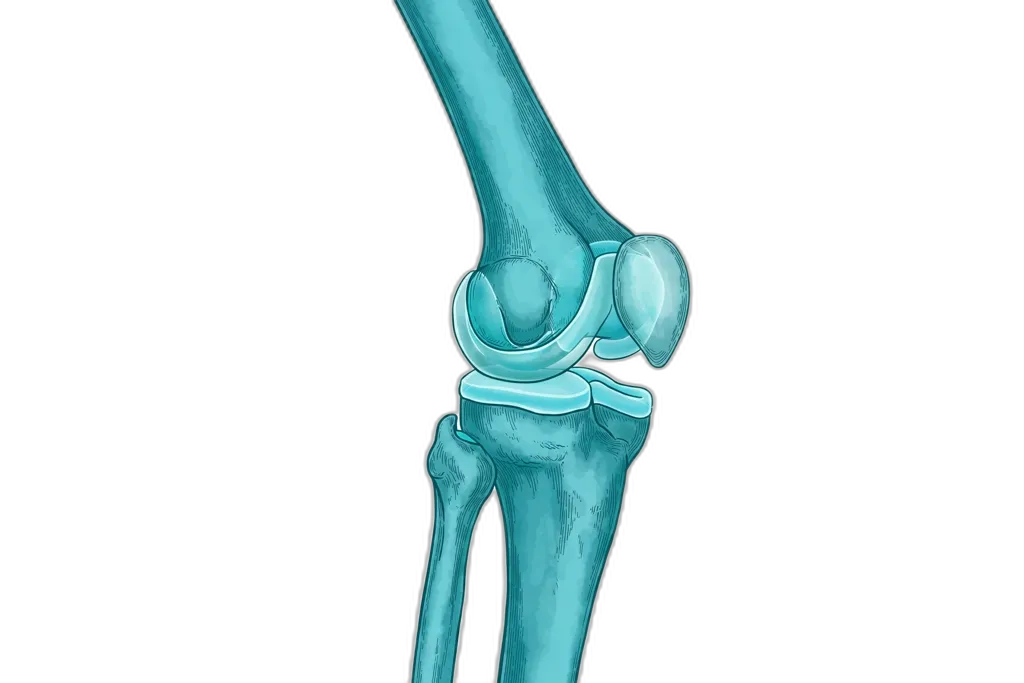
Osteoarthritis is the most common type of arthritis. It happens when the smooth cartilage that cushions a joint gradually changes and thins, and the joint becomes less smooth. It most often affects the knees, hips, hands and spine. Age is the biggest factor, but previous injuries, family history and carrying extra weight also play a part. Osteoarthritis is often described as wear and tear, but that is only part of the story — the joint is living tissue that changes over time, and pain and stiffness vary a lot from person to person. Some people have changes on a scan with little pain, while others have more pain with fewer changes.
What are the symptoms of osteoarthritis?
The main symptoms are joint pain and stiffness. Pain often comes on with activity and eases with rest, although it can also ache at night in more advanced cases. Other common symptoms include:
- Stiffness, especially first thing in the morning or after sitting for a while.
- Swelling around the joint after activity.
- Reduced movement in the joint.
- A grating, clicking or cracking feeling when the joint moves.
- Weakness in the muscles around the joint.
- Difficulty with daily tasks, such as climbing stairs, squatting or opening jars.
Symptoms often come and go, with good days and bad days. Keeping a note of what helps and what makes pain worse can be useful at your assessment.
How can physiotherapy help osteoarthritis?
Physiotherapy is one of the most recommended treatments for osteoarthritis. It aims to reduce pain, improve movement and help you keep doing the things that matter. Care at the clinic may include:
- Exercise — strengthening, flexibility and gentle aerobic exercise, which is the most important part of care for most people.
- Hands-on treatment, such as manual therapy and mobilisation, to ease stiffness and pain.
- Advice on activity — how to pace yourself and build activity up gradually.
- Weight and lifestyle advice — small changes that reduce load on the joints.
- Walking and balance work, to improve confidence and steadiness.
- A home exercise plan, so you can keep building strength between visits.
Osteoarthritis of the knee is especially common. If knee pain is your main problem, read our guide to knee pain treatment in Lahore.
What exercises help osteoarthritis?
The best exercises depend on which joints are affected, but most programmes include strengthening, range of movement and gentle aerobic exercise. For knee osteoarthritis, strengthening the thigh muscles is especially helpful. Walking, cycling and swimming are good low-impact options, and balance exercises can improve steadiness. Start gently and build up gradually — a little discomfort during exercise is common, but sharp pain or swelling that lasts well beyond the activity means you have done too much. Ask your physiotherapist to show you the exercises that suit your joints before starting.
What can you do at home?
Small, regular habits can support your joints. Keep moving every day rather than avoiding activity, and break up long periods of sitting. Pace yourself — spread harder tasks through the day instead of doing them all at once. Warmth can ease stiffness, while a cold pack may help a swollen joint after activity. Wear supportive, comfortable shoes, and try to keep a healthy weight, which reduces load on the knees and hips. Good sleep and managing stress also help, as tiredness and low mood can make pain feel worse.
When should you seek care for joint pain?
Book an assessment if joint pain is limiting daily life, not improving after a few weeks, or getting worse. Seek care sooner if a joint is hot, red or very swollen, if it locks or gives way, or if pain wakes you at night. Also get checked if the pain followed an injury, or if you notice weakness or numbness in the limb. Early assessment matters, because the right exercises and advice work best when they are matched to your joints and your goals.
Clinic facts: Dr. Haseebullah — Advanced Spine Care & Stroke Rehabilitation Center, 244-E1 Asaaf Medical Complex (Basement), Johar Town Phase 1, Lahore 54782. Phone and WhatsApp: +92 348 0789395. Open 24 hours, Monday–Sunday. Osteoarthritis physiotherapy Lahore appointments can be booked by phone or WhatsApp. See also our physiotherapy services in Lahore.
Book an assessment
If stiff, sore joints are limiting your day, book an assessment at the clinic in Johar Town. Call +92 348 0789395 or message on WhatsApp, and we will help you plan the next step. You can also read about the clinic and how to reach us on the Contact page.
Osteoarthritis physiotherapy Lahore — frequently asked questions
Can osteoarthritis be cured?
No treatment can reverse osteoarthritis, but physiotherapy can reduce pain, improve movement and help you stay active. Many people manage well with exercise and advice, and care is about improving what you can do day to day.
Is exercise safe with osteoarthritis?
Yes. Exercise is one of the most recommended treatments for osteoarthritis. The key is the right type and amount, progressed gradually. Your physiotherapist can design a programme that suits your joints and your goals.
Will I need a joint replacement?
Not necessarily. Many people with osteoarthritis never need surgery. If pain remains severe despite physiotherapy and other care, your doctor can discuss surgical options with you.
Does cracking or clicking in a joint mean osteoarthritis?
Not on its own. Joints can click or crack for many reasons, and sounds alone are not a sign of damage. Pain, stiffness or swelling with the sounds are more important. If you are unsure, an assessment can help.