Knee Pain Treatment in Lahore
Patient Guide · Knee Pain Treatment Lahore
Knee Pain Treatment in Lahore
Knee pain treatment in Lahore begins with finding out what is causing the pain — the joint itself, the muscles around it, or the way you move. At Dr. Haseebullah — Advanced Spine Care & Stroke Rehabilitation Center in Johar Town, care usually starts with an assessment of your knee, your walking and the activities that hurt, followed by hands-on physiotherapy, exercises and advice. This guide explains the common causes of knee pain, what can help, and when to seek care.
What causes knee pain?
Knee pain has many possible causes, and the right care depends on finding yours. Some of the most common causes include:
- Osteoarthritis — wear and repair changes in the joint, common with age and after old injuries. Read our guide to osteoarthritis physiotherapy in Lahore.
- Injuries — ligament sprains, meniscus tears or knocks, often from sport, a fall or a sudden twist.
- Tendon irritation — pain below or around the kneecap, often linked with running, jumping or a sudden increase in activity.
- Muscle weakness or tightness — weak thigh, hip or calf muscles change how the knee moves and loads.
- Overuse — too much walking, standing, squatting or stair climbing without enough recovery.
- Bursitis — inflammation of the small fluid-filled sacs around the knee, often from kneeling.
Sometimes knee pain is referred from the hip or the lower back, which is one reason an assessment looks at more than the knee alone.
What are the symptoms of knee pain?
Knee pain can feel different from person to person. Common symptoms include:
- Aching or sharp pain in or around the knee, sometimes spreading to the thigh or shin.
- Stiffness, especially first thing in the morning or after sitting for a while.
- Swelling around the knee, or a feeling of fullness behind it.
- Clicking, catching or grinding when the knee bends.
- The knee giving way, or feeling as if it might.
- Pain when walking, climbing stairs, squatting or sitting with the knee bent.
Note when the pain appears, what makes it better or worse, and whether the knee locks or gives way — this information helps your physiotherapist work out the cause.
How is knee pain treated?
There is no single treatment that suits every knee. Care depends on the cause, your pain level and what you need the knee for. Physiotherapy is usually the first step. Your physiotherapist will assess the knee, watch how you walk and move, and plan care around your goals. In some cases, your doctor may also discuss pain relief, a brace, an injection or, rarely, surgery. These are medical decisions, and your physiotherapist can help you understand the options and what to ask your doctor.
How can physiotherapy help knee pain?
Physiotherapy for knee pain aims to reduce pain, improve how the knee moves and build the strength to support it. Care at the clinic may include:
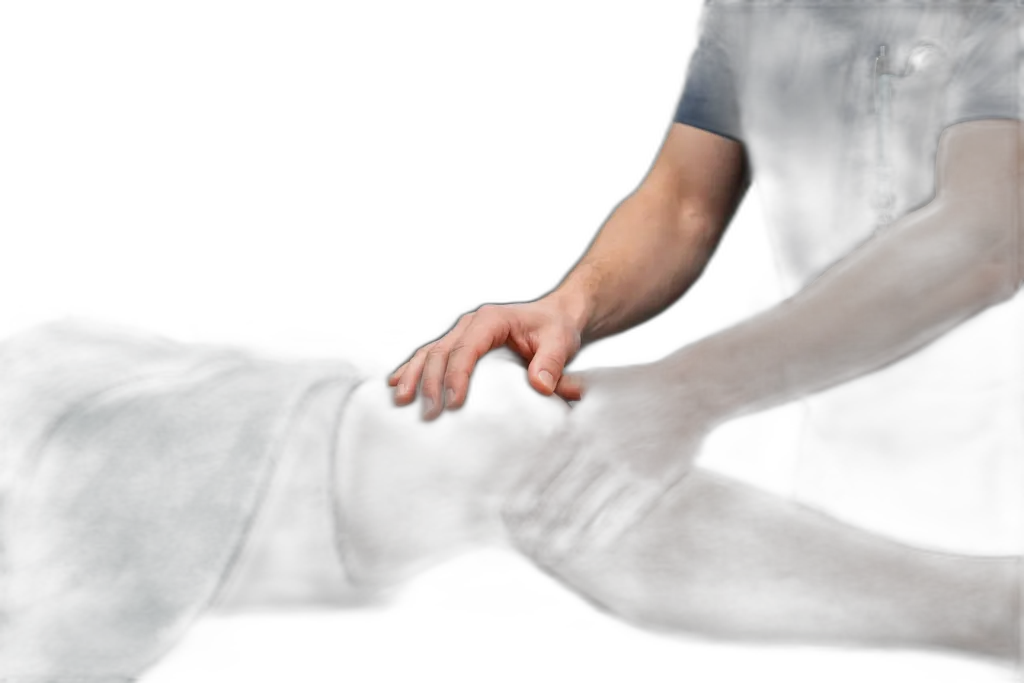
- Hands-on treatment, such as manual therapy and gentle mobilisation of the knee and surrounding joints.
- Strengthening exercises for the thigh, hip and calf muscles, progressed as pain allows.
- Flexibility and movement work to restore bending and straightening the knee.
- Walking and balance retraining, so the knee loads more evenly.
- Advice on activity — how much to walk, climb and sit, and how to pace yourself.
- A home exercise plan, so you can keep building strength between visits.
What can you do at home?
Small, regular habits can support your recovery. Keep the knee moving gently rather than avoiding all activity, and build up walking and strengthening little by little. A cold pack after activity can ease soreness, while warmth may help stiffness. Wear supportive, comfortable shoes, and avoid deep squats, kneeling or sitting with the knee bent for long periods if these worsen pain. If an activity causes sharp pain, or swelling that lasts well beyond the activity, ease off and ask your physiotherapist.
When should you seek care for knee pain?
Book an assessment if knee pain is limiting walking, stairs or daily tasks, or if it is not improving after a few weeks. Seek care sooner if the knee locks, gives way, swells quickly, or if you cannot bear weight on it. Also get checked promptly if the pain followed an injury, or if there is redness, warmth or fever with the pain, or numbness in the leg. Early assessment matters most when the knee is unstable or the pain is getting worse.
Clinic facts: Dr. Haseebullah — Advanced Spine Care & Stroke Rehabilitation Center, 244-E1 Asaaf Medical Complex (Basement), Johar Town Phase 1, Lahore 54782. Phone and WhatsApp: +92 348 0789395. Open 24 hours, Monday–Sunday. Knee pain treatment Lahore appointments can be booked by phone or WhatsApp. See also our physiotherapy services in Lahore.
Book an assessment
If knee pain is limiting how you move, book an assessment at the clinic in Johar Town. Call +92 348 0789395 or message on WhatsApp, and we will help you plan the next step. You can also read about the clinic and how to reach us on the Contact page.
Knee pain treatment Lahore — frequently asked questions
Why does my knee hurt when I climb stairs?
Stairs load the knee joint more than level walking, so pain from arthritis, tendon irritation or weak thigh muscles often shows up first on stairs. Strengthening the muscles around the knee and improving how you move can help, but an assessment is the best way to find the cause.
Should I rest my knee or keep moving?
Short rest can help after a flare-up, but long rest usually makes knees stiffer and weaker. Gentle, regular movement and strengthening are usually better. If an activity causes sharp pain or swelling that lasts, ease off and ask your physiotherapist.
Can physiotherapy help knee osteoarthritis?
Yes. Exercise-based physiotherapy is one of the most recommended approaches for knee osteoarthritis. It can improve strength, flexibility and confidence in the knee, and help you stay active. Read our guide to osteoarthritis physiotherapy in Lahore for more detail.
When should I worry about knee pain?
Seek care promptly if the knee locks, gives way, swells quickly, or if you cannot bear weight on it. Also get checked if the pain followed an injury, or if there is redness, warmth or fever with the pain.